What Material To Choose For Women's Underwear
ByB2B Store
January 2, 2026Vol. 2026
When shopping for underwear, you may be loyal to your style choice, such as a thong, bikini or brief...
Executive Summary
When shopping for underwear, you may be loyal to your style choice, such as a thong, bikini or brief - but you're missing out that material is also something you need to be aware...

This guide explains what material to choose for women's underwear from a practical B2B sourcing perspective, helping brands reduce sampling risk, control quality, and make faster purchasing decisions.
When shopping for underwear, you may be loyal to your style choice, such as a thong, bikini or brief - but you're missing out that material is also something you need to be aware of when choosing underwear. However, we understand that the first thing most people see when choosing underwear is the appearance of its style and it is difficult to notice the problem of the material.
But the material is what really finds the best underwear for your health. It's important that your underwear is right for you, as if you have sensitive skin it can cause chafing, rashes and irritation.
Most fibers are mixed with spandex in the fabric to give them elasticity and provide the best fit. Regardless of the main fabric, underwear styles often have cotton gussets -- the layers of fabric on the inside. This is especially important to avoid yeast and bacterial growth.
It is a natural fiber that is breathable and soft, so it feels good on the skin. The downside of cotton is that it doesn't dry very quickly, so if there's any moisture (like sweat), the fabric will stay wet.
Fibers like rayon and modal are made from plants, although they are chemically treated and therefore not technically natural. These fabrics are super soft and drapey, and generally have the benefit of moisture wicking, so they dry faster than cotton.
Key Insights for Buyers
- Synthetic fibers like polyester and nylon are common in sportswear because they absorb moisture and dry quickly. For the same reason, these fibers are great for making underwear, especially when you're exercising. Lace underwear and microfiber styles are often also made from synthetic materials. Just remember to remove them after sweating, it is important to remove wet gym clothes as soon as possible to avoid infection and irritation in intimate areas.
- It's uncommon and expensive, but silk is a natural fiber that feels luxurious to the touch and has inherent temperature-regulating and moisture-management properties. (We love this fiber for pillowcases!)
- You can find underwear made from unique materials, such as wool, or underwear with added benefits, such as extra absorbent layers for periods or built-in shapewear.
Action Checklist
- Confirm fabric, size grading, and trim specifications before sampling.
- Lock in MOQ, lead time, and quality checkpoints in writing.
- Request pre-production confirmation for labels, packaging, and compliance standards.
- Use a pilot run to validate fit, durability, and customer feedback before scale-up.
If you are planning OEM/ODM underwear sourcing, prepare your tech pack and target quantity first to speed up quotation and sample approval.
End of Dispatch • January 2, 2026
- Sponsored Collection -
Featured Products
Men's Underwear
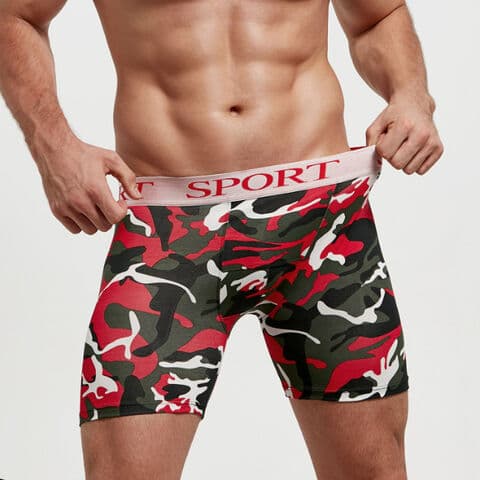
Camouflage Printed Breathable Cotton Men's Underwear Boxer Briefs
Camouflage Printed Breathable Cotton Men's Underwear Boxer Briefs from direct underwear manufacturer. Material: cotton. Reference US$ 1.00 - 2.00 / Unit 500 Units (MOQ). MOQ: 500 units. Supports OEM/private label and bu…
RFQ Available

Men's Underwear
Breathable Comfort Underwear Super Stretch Shorts Underwear Men's Boxers Custom Logo
Breathable Comfort Underwear Super Stretch Shorts Underwear Men's Boxers Custom Logo from direct underwear manufacturer. Reference US$ 0.85 - 1.50 / Unit 500 Units (MOQ). MOQ: 500 units. Supports OEM/private label and b…
RFQ Available
Men's Underwear
Men's Wholesale Custom Logo Solid Male Panties Organic 95 Cotton 5 Spandex Boxer For Private Label Underwear
Men's Wholesale Custom Logo Solid Male Panties Organic 95 Cotton 5 Spandex Boxer For Private Label Underwear from direct underwear manufacturer. Material: cotton. Reference US$ 0.85 - 1.80 / Unit 500 Units (MOQ). MOQ: 5…
RFQ Available
Men's Underwear
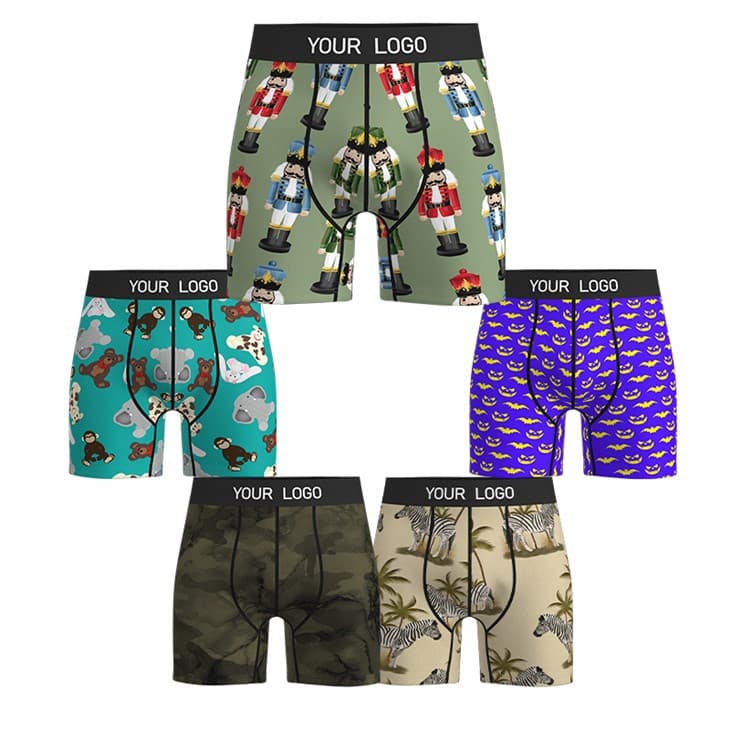
Man Boxer Briefs With Hammock in Front
We're well-known as one of the leading man boxer briefs with hammock in front manufacturers and suppliers in China. Please rest assured to buy high quality man boxer briefs with ha
RFQ Available
Men's Underwear
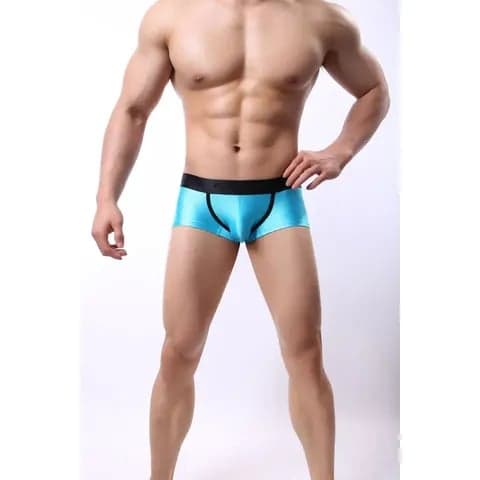
Customize Shiny Fabric Low Rise Shorts Factory Direct Sale Men's Nylon Boxer Briefs Underwear
Customize Shiny Fabric Low Rise Shorts Factory Direct Sale Men's Nylon Boxer Briefs Underwear from direct underwear manufacturer. Reference US$ 0.85 - 1.50 / Unit 500 Units (MOQ). MOQ: 500 units. Supports OEM/private la…
RFQ Available
Men's Underwear
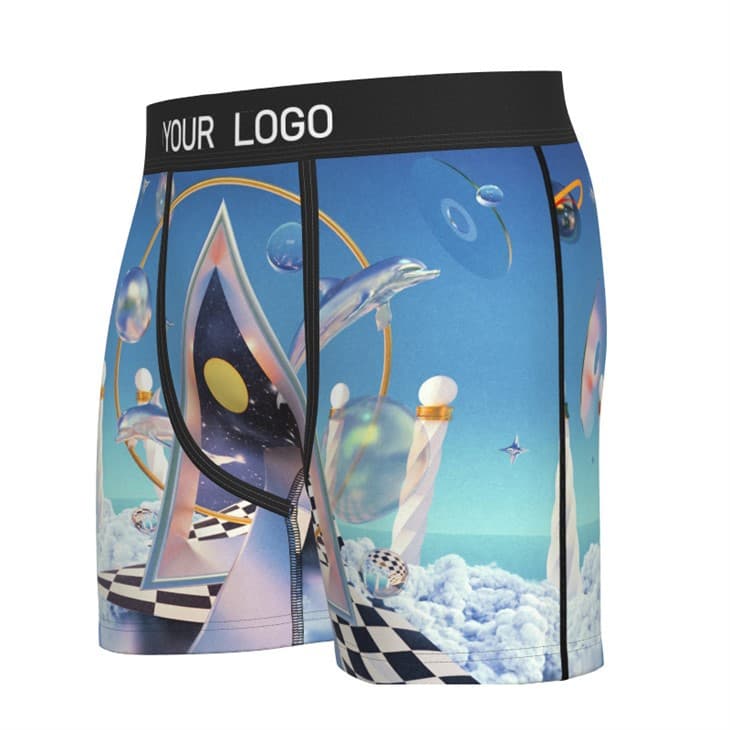
Custom Men's Trunk Manufacturer Wholesaler
We're well-known as one of the leading custom men's trunk manufacturer wholesaler manufacturers and suppliers in China. Please rest assured to buy high quality custom men's trunk m
RFQ Available
Men's Underwear
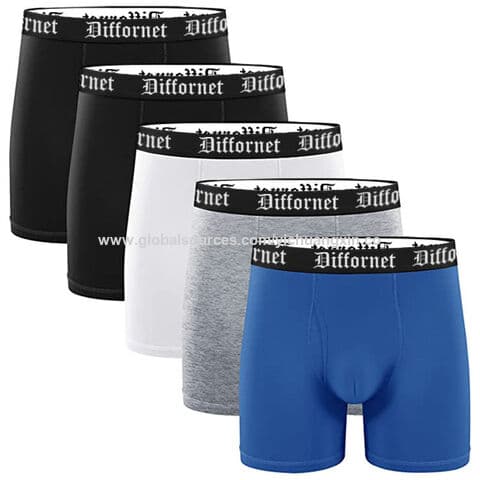
Custom Stretch Cotton Men's Underwear Boxers Briefs Shorts Trunks
Custom Stretch Cotton Men's Underwear Boxers Briefs Shorts Trunks from direct underwear manufacturer. Material: cotton. Reference US$ 1.50 - 2.00 / Unit 500 Units (MOQ). MOQ: 500 units. Supports OEM/private label and bu…
RFQ Available

Men's Underwear
Men's 95 cotton 5 spandex boxer underwear
Men's 95 cotton 5 spandex boxer underwear from direct underwear manufacturer. Material: cotton. Reference US$ 0.85 - 1.50 / Unit 500 Units (MOQ). MOQ: 500 units. Supports OEM/private label and bulk wholesale supply for…
RFQ Available

Men's Underwear
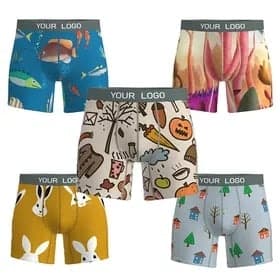
Men's Custom private label branded boys men underwear boxer briefs shorts for the wearing
Men's Custom private label branded boys men underwear boxer briefs shorts for the wearing from direct underwear manufacturer. Reference US$ 1.50 - 2.00 / Unit 500 Units (MOQ). MOQ: 500 units. Supports OEM/private label…
RFQ Available
Men's Underwear
Men's 2023 Breathable Sports Polyester Shorts Printed Boxers Logo Custom Man Underwear for the wearing
Men's 2023 Breathable Sports Polyester Shorts Printed Boxers Logo Custom Man Underwear for the wearing from direct underwear manufacturer. Material: polyester. Reference US$ 0.85 - 1.50 / Unit 500 Units (MOQ). MOQ: 500…
RFQ Available
← Hover to pause →Touch to pause
Global Supply Chain Coverage
We supply high-quality products to major markets worldwide. Explore our regional distribution and compliance standards.