Is It Healthy To Wear G-strings?
ByB2B Store
February 8, 2026Vol. 2026
A B2B-focused guide to g-string comfort and health considerations, covering fit engineering, materia...
Executive Summary
A B2B-focused guide to g-string comfort and health considerations, covering fit engineering, material safety, and quality control checkpoints.

For underwear brands, the question is less about a single "yes or no" answer and more about fit, material safety, and usage context. G-string products can be comfortable when pattern balance, gusset construction, and breathable materials are specified correctly.
Design Factors That Influence Comfort
Comfort depends on waistband pressure, back-string width, seam placement, and front-panel shaping. Overly tight elastic or abrasive seams can increase friction. A stable pattern and smooth finishing are essential for long-wear comfort.
Material Selection Matters
For everyday use, soft and breathable fabrics with controlled stretch are preferred. A breathable gusset and moisture management are key quality points. Avoid rough trims and unstable dye processes that may irritate sensitive skin.
Use-Case Positioning for Brands
G-strings are often positioned for no-visible-line styling, activewear outfits, or specific fashion use. Brand communication should set realistic expectations: intended wear duration, recommended occasions, and care instructions.
Quality Control Priorities
- Run irritation-risk review on waistband and seam contact points.
- Confirm elastane recovery after repeated wash cycles.
- Validate gusset breathability and stitching consistency.
- Provide clear size guidance to reduce over-tight fit complaints.
From a B2B perspective, healthy wear outcomes come from responsible design and quality systems, not from a single fabric claim. Brands that focus on fit testing and material safety generally see better customer satisfaction.
End of Dispatch • February 8, 2026
- Sponsored Collection -
Featured Products
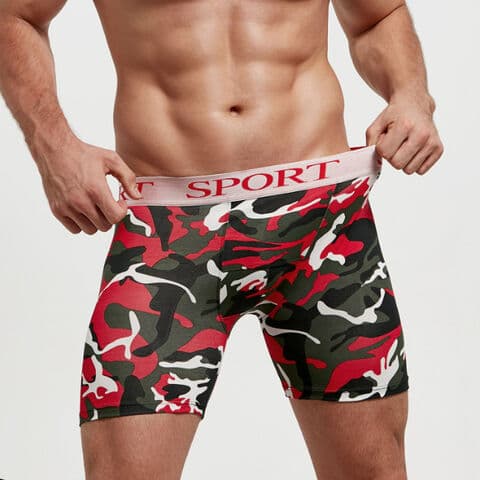
Men's Underwear
Camouflage Printed Breathable Cotton Men's Underwear Boxer Briefs
Camouflage Printed Breathable Cotton Men's Underwear Boxer Briefs from direct underwear manufacturer. Material: cotton. Reference US$ 1.00 - 2.00 / Unit 500 Units (MOQ). MOQ: 500 units. Supports OEM/private label and bu…
RFQ Available

Men's Underwear
Breathable Comfort Underwear Super Stretch Shorts Underwear Men's Boxers Custom Logo
Breathable Comfort Underwear Super Stretch Shorts Underwear Men's Boxers Custom Logo from direct underwear manufacturer. Reference US$ 0.85 - 1.50 / Unit 500 Units (MOQ). MOQ: 500 units. Supports OEM/private label and b…
RFQ Available
Men's Underwear
Men's Wholesale Custom Logo Solid Male Panties Organic 95 Cotton 5 Spandex Boxer For Private Label Underwear
Men's Wholesale Custom Logo Solid Male Panties Organic 95 Cotton 5 Spandex Boxer For Private Label Underwear from direct underwear manufacturer. Material: cotton. Reference US$ 0.85 - 1.80 / Unit 500 Units (MOQ). MOQ: 5…
RFQ Available
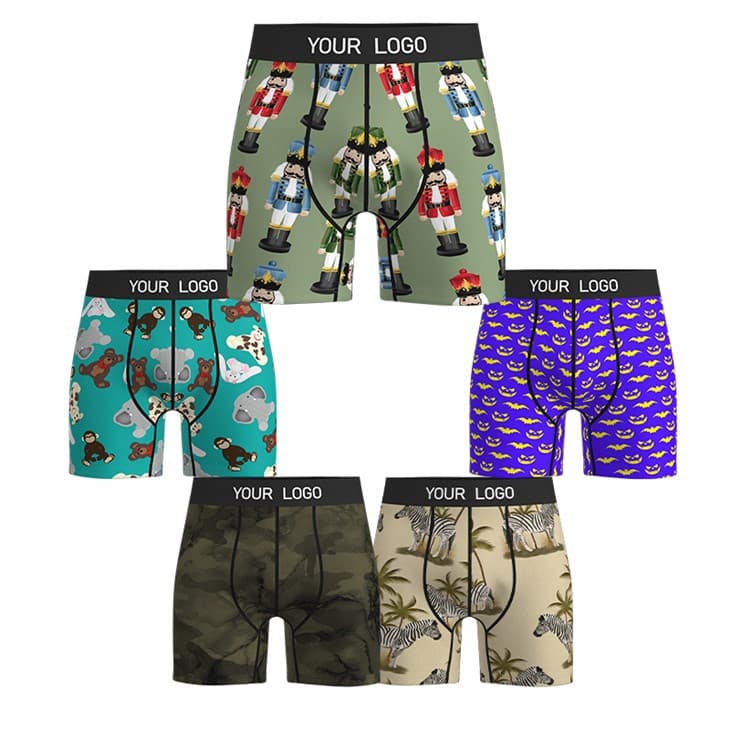
Men's Underwear
Man Boxer Briefs With Hammock in Front
We're well-known as one of the leading man boxer briefs with hammock in front manufacturers and suppliers in China. Please rest assured to buy high quality man boxer briefs with ha
RFQ Available
Men's Underwear
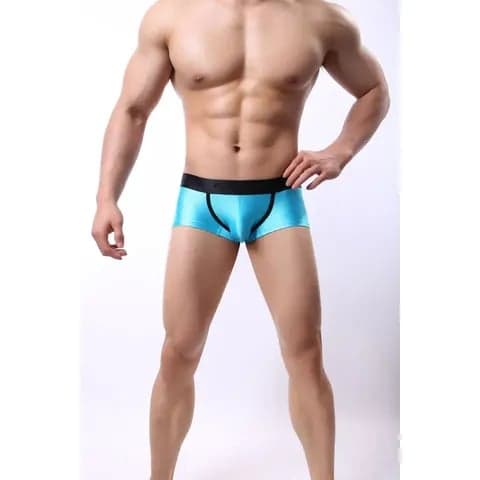
Customize Shiny Fabric Low Rise Shorts Factory Direct Sale Men's Nylon Boxer Briefs Underwear
Customize Shiny Fabric Low Rise Shorts Factory Direct Sale Men's Nylon Boxer Briefs Underwear from direct underwear manufacturer. Reference US$ 0.85 - 1.50 / Unit 500 Units (MOQ). MOQ: 500 units. Supports OEM/private la…
RFQ Available
Men's Underwear
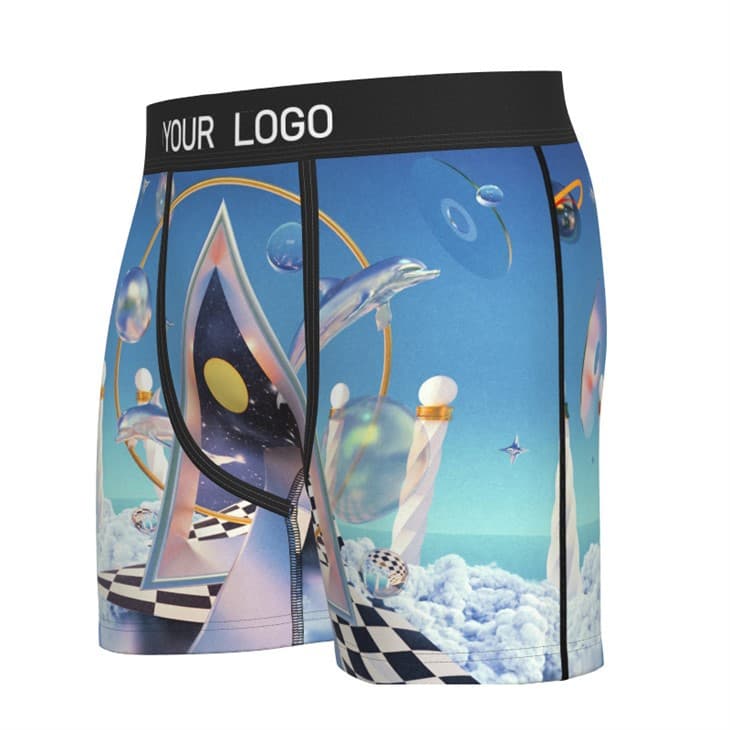
Custom Men's Trunk Manufacturer Wholesaler
We're well-known as one of the leading custom men's trunk manufacturer wholesaler manufacturers and suppliers in China. Please rest assured to buy high quality custom men's trunk m
RFQ Available
Men's Underwear
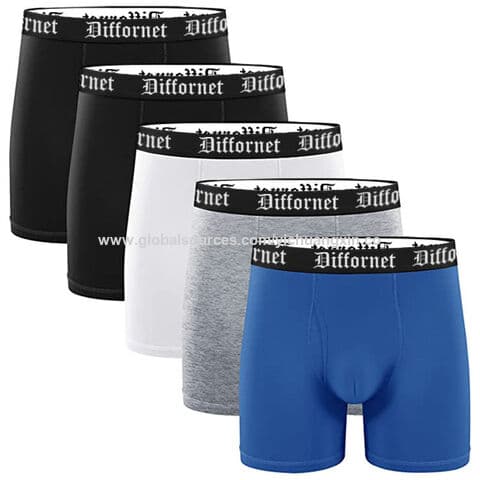
Custom Stretch Cotton Men's Underwear Boxers Briefs Shorts Trunks
Custom Stretch Cotton Men's Underwear Boxers Briefs Shorts Trunks from direct underwear manufacturer. Material: cotton. Reference US$ 1.50 - 2.00 / Unit 500 Units (MOQ). MOQ: 500 units. Supports OEM/private label and bu…
RFQ Available

Men's Underwear
Men's 95 cotton 5 spandex boxer underwear
Men's 95 cotton 5 spandex boxer underwear from direct underwear manufacturer. Material: cotton. Reference US$ 0.85 - 1.50 / Unit 500 Units (MOQ). MOQ: 500 units. Supports OEM/private label and bulk wholesale supply for…
RFQ Available

Men's Underwear
Men's Custom private label branded boys men underwear boxer briefs shorts for the wearing
Men's Custom private label branded boys men underwear boxer briefs shorts for the wearing from direct underwear manufacturer. Reference US$ 1.50 - 2.00 / Unit 500 Units (MOQ). MOQ: 500 units. Supports OEM/private label…
RFQ Available
Men's Underwear
Men's 2023 Breathable Sports Polyester Shorts Printed Boxers Logo Custom Man Underwear for the wearing
Men's 2023 Breathable Sports Polyester Shorts Printed Boxers Logo Custom Man Underwear for the wearing from direct underwear manufacturer. Material: polyester. Reference US$ 0.85 - 1.50 / Unit 500 Units (MOQ). MOQ: 500…
RFQ Available
← Hover to pause →Touch to pause
Global Supply Chain Coverage
We supply high-quality products to major markets worldwide. Explore our regional distribution and compliance standards.