Underwear exports to the United States must meet the flame retardant FFA standards - Underwear
ByB2B Store
January 5, 2026Vol. 2026
If you are a buyer of underwear in the United States, you will need to be aware of certain certifica...
Executive Summary
If you are a buyer of underwear in the United States, you will need to be aware of certain certification requirements for marketing underwear. One of the most important is to make...

This guide explains underwear exports to the united states must meet the flame retardant ffa standards - underwear from a practical B2B sourcing perspective, helping brands reduce sampling risk, control quality, and make faster purchasing decisions.
If you are a buyer of underwear in the United States, you will need to be aware of certain certification requirements for marketing underwear. One of the most important is to make sure that the underwear you import meets the Flammable Fabrics Act (FFA) standards.
In this blog post, we will discuss what you need to do to ensure that the underwear you import meets the requirements of the U.S. market in advance to help with the troublesome factors that may be caused by subsequent imports of underwear.
1. The current state of the intimate apparel industry in the United States
The United States is the world's largest market for intimate apparel, with U.S. consumers spending an estimated $13 billion annually on intimate apparel. Despite this fact, there are relatively few U.S.-based underwear manufacturers; most of the underwear sold in the United States is imported from other countries.
The vast majority of U.S. imports of underwear come from Asia, with China being the largest single supplier. Other important suppliers include Hong Kong, Vietnam and India. However, in recent years, there has been a shift away from traditional sourcing countries as manufacturers seek to reduce costs and take advantage of low-wage labor markets. As a result of this shift, a number of Central American and African countries have become important suppliers of underwear to the United States.
Key Insights for Buyers
- It is estimated that more than 80 percent of the intimate apparel sold in the United States is imported.
- In order to ensure that imported underwear can be successfully marketed, it is important to have a thorough understanding of U.S. import regulations and certification requirements.
- 2.What is the flammable fabric method?
- The Flammable Fabrics Act (FFA) is the primary legislation governing the importation of textiles and apparel.
- The Flammable Fabrics Act (FFA) is a piece of legislation enacted in 1953 to regulate the importation of textiles and apparel in response to a number of serious fires caused by flammable clothing. the FFA prohibits the importation of any textile or apparel product that does not meet certain flammability standards. Under this law, any company wishing to sell textiles or apparel in the United States must comply with the FFA standards.
Action Checklist
- Confirm fabric, size grading, and trim specifications before sampling.
- Lock in MOQ, lead time, and quality checkpoints in writing.
- Request pre-production confirmation for labels, packaging, and compliance standards.
- Use a pilot run to validate fit, durability, and customer feedback before scale-up.
If you are planning OEM/ODM underwear sourcing, prepare your tech pack and target quantity first to speed up quotation and sample approval.
End of Dispatch • January 5, 2026
- Sponsored Collection -
Featured Products
Men's Underwear
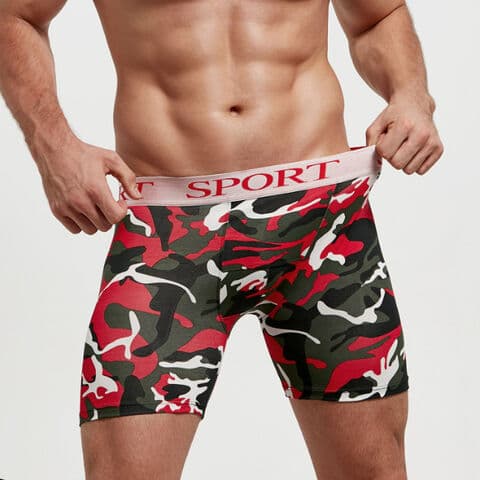
Camouflage Printed Breathable Cotton Men's Underwear Boxer Briefs
Camouflage Printed Breathable Cotton Men's Underwear Boxer Briefs from direct underwear manufacturer. Material: cotton. Reference US$ 1.00 - 2.00 / Unit 500 Units (MOQ). MOQ: 500 units. Supports OEM/private label and bu…
RFQ Available

Men's Underwear
Breathable Comfort Underwear Super Stretch Shorts Underwear Men's Boxers Custom Logo
Breathable Comfort Underwear Super Stretch Shorts Underwear Men's Boxers Custom Logo from direct underwear manufacturer. Reference US$ 0.85 - 1.50 / Unit 500 Units (MOQ). MOQ: 500 units. Supports OEM/private label and b…
RFQ Available
Men's Underwear
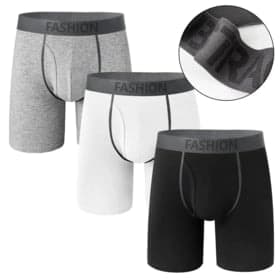
Men's Wholesale Custom Logo Solid Male Panties Organic 95 Cotton 5 Spandex Boxer For Private Label Underwear
Men's Wholesale Custom Logo Solid Male Panties Organic 95 Cotton 5 Spandex Boxer For Private Label Underwear from direct underwear manufacturer. Material: cotton. Reference US$ 0.85 - 1.80 / Unit 500 Units (MOQ). MOQ: 5…
RFQ Available
Men's Underwear
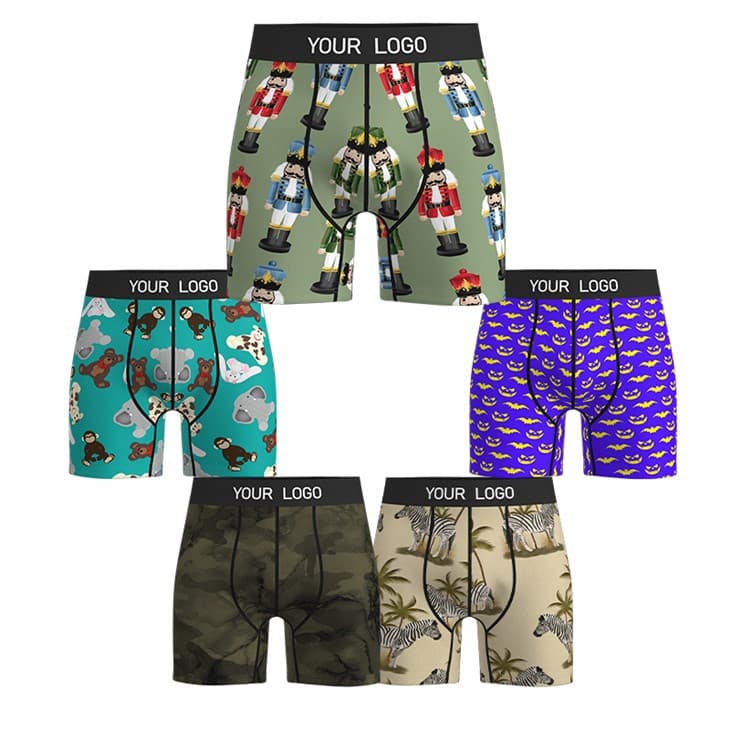
Man Boxer Briefs With Hammock in Front
We're well-known as one of the leading man boxer briefs with hammock in front manufacturers and suppliers in China. Please rest assured to buy high quality man boxer briefs with ha
RFQ Available
Men's Underwear
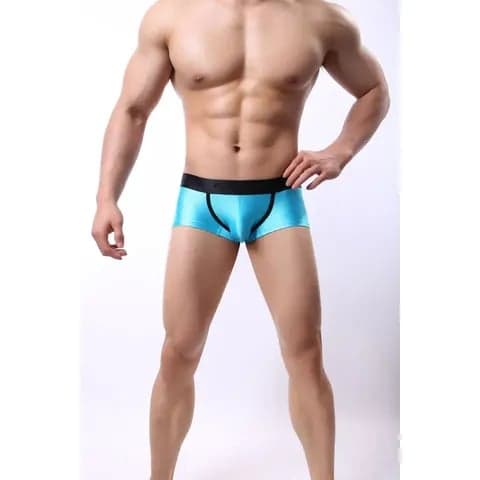
Customize Shiny Fabric Low Rise Shorts Factory Direct Sale Men's Nylon Boxer Briefs Underwear
Customize Shiny Fabric Low Rise Shorts Factory Direct Sale Men's Nylon Boxer Briefs Underwear from direct underwear manufacturer. Reference US$ 0.85 - 1.50 / Unit 500 Units (MOQ). MOQ: 500 units. Supports OEM/private la…
RFQ Available
Men's Underwear
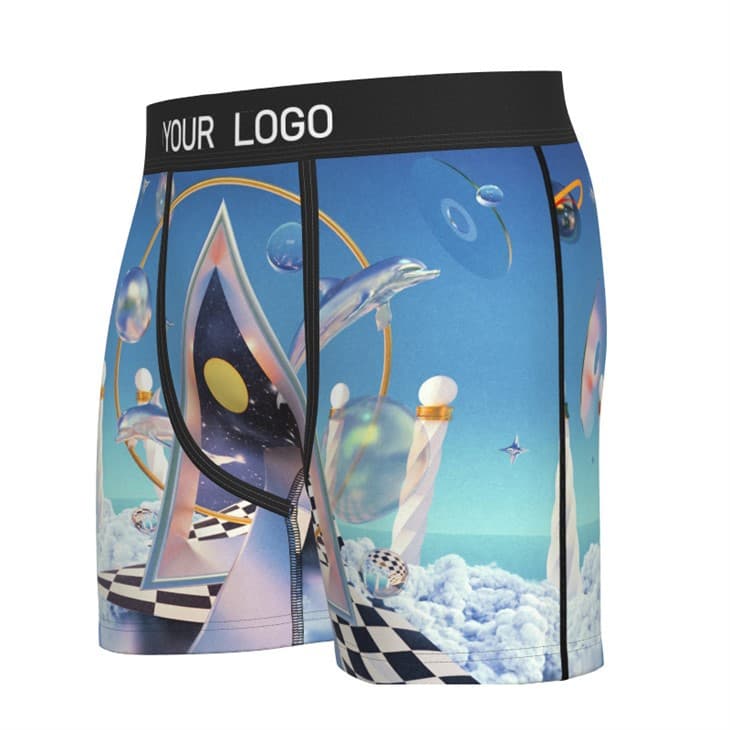
Custom Men's Trunk Manufacturer Wholesaler
We're well-known as one of the leading custom men's trunk manufacturer wholesaler manufacturers and suppliers in China. Please rest assured to buy high quality custom men's trunk m
RFQ Available
Men's Underwear
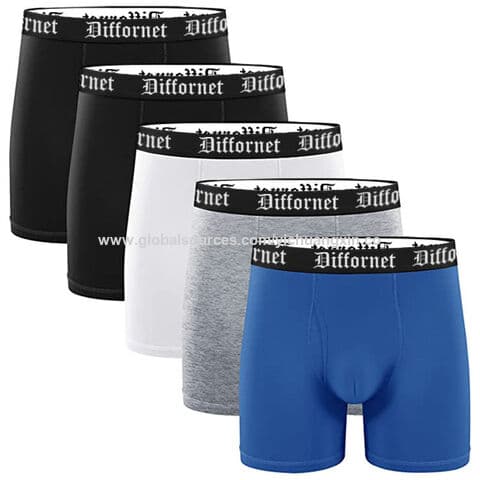
Custom Stretch Cotton Men's Underwear Boxers Briefs Shorts Trunks
Custom Stretch Cotton Men's Underwear Boxers Briefs Shorts Trunks from direct underwear manufacturer. Material: cotton. Reference US$ 1.50 - 2.00 / Unit 500 Units (MOQ). MOQ: 500 units. Supports OEM/private label and bu…
RFQ Available

Men's Underwear
Men's 95 cotton 5 spandex boxer underwear
Men's 95 cotton 5 spandex boxer underwear from direct underwear manufacturer. Material: cotton. Reference US$ 0.85 - 1.50 / Unit 500 Units (MOQ). MOQ: 500 units. Supports OEM/private label and bulk wholesale supply for…
RFQ Available

Men's Underwear
Men's Custom private label branded boys men underwear boxer briefs shorts for the wearing
Men's Custom private label branded boys men underwear boxer briefs shorts for the wearing from direct underwear manufacturer. Reference US$ 1.50 - 2.00 / Unit 500 Units (MOQ). MOQ: 500 units. Supports OEM/private label…
RFQ Available
Men's Underwear
Men's 2023 Breathable Sports Polyester Shorts Printed Boxers Logo Custom Man Underwear for the wearing
Men's 2023 Breathable Sports Polyester Shorts Printed Boxers Logo Custom Man Underwear for the wearing from direct underwear manufacturer. Material: polyester. Reference US$ 0.85 - 1.50 / Unit 500 Units (MOQ). MOQ: 500…
RFQ Available
← Hover to pause →Touch to pause
Global Supply Chain Coverage
We supply high-quality products to major markets worldwide. Explore our regional distribution and compliance standards.